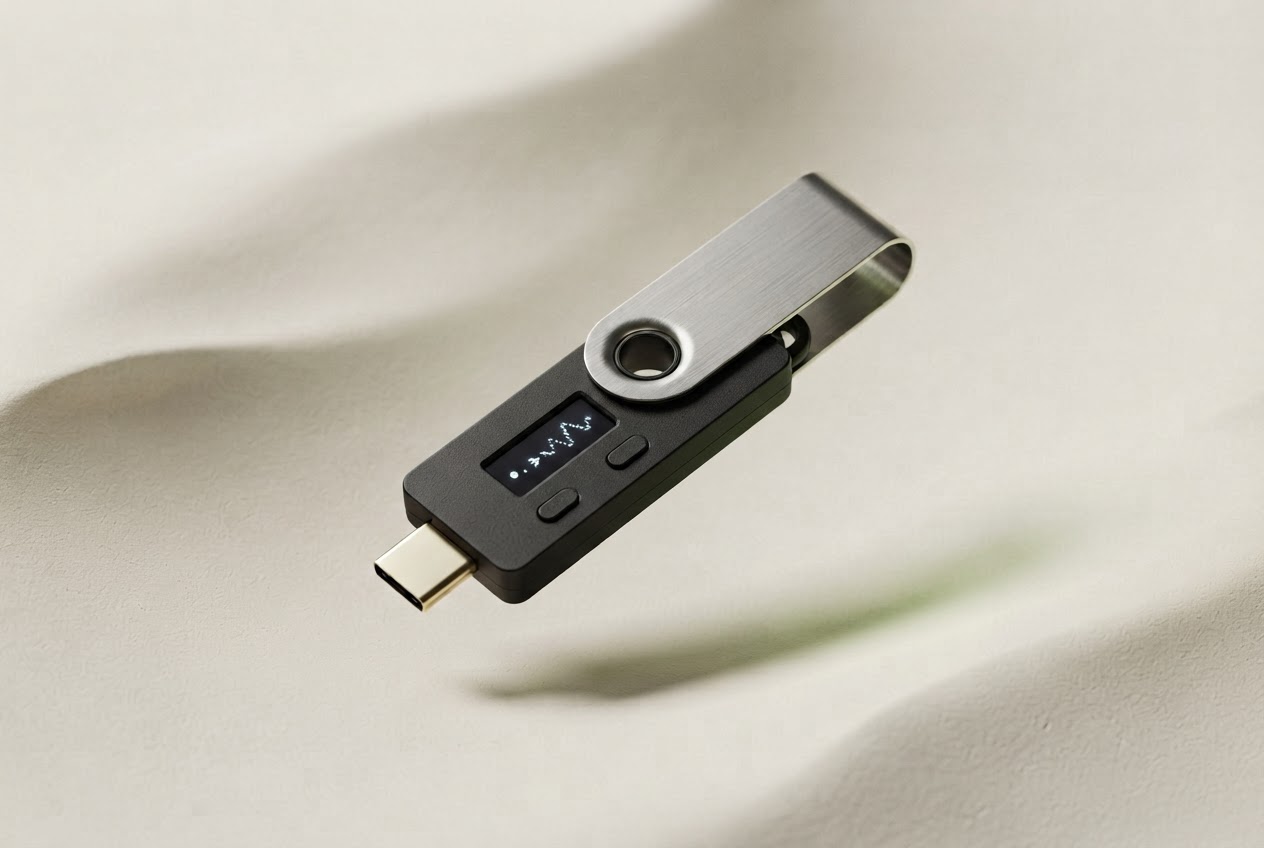
A hardware wallet keeps the private keys that control your digital assets offline, away from the everyday internet-connected devices where many threats begin. Your Ledger device is designed to let you approve transactions while keeping those keys protected inside the device. Setup begins with the official Ledger Wallet app: download it from Ledger’s website, connect your device, and follow the on-screen instructions to create a new wallet.
You’ll be asked to choose a PIN and record a recovery phrase. The phrase is the backup to your wallet, so write it down by hand, in the correct order, and keep it somewhere private and physically secure. Never photograph it, save it in cloud storage, or share it with anyone. Ledger support will never ask for it. Anyone who has the phrase may be able to access the assets it protects.
Once setup is complete, take a moment to learn how your device works. When sending assets, carefully check the recipient address and amount on the device’s own screen before approving. This independent check helps you catch details that could be altered elsewhere. Keep your apps and device firmware current, and treat unexpected links, messages, and promises of urgent action with caution.
Self-custody is not about being perfect; it’s about making considered choices. Start with small, deliberate steps, learn the tools before you rely on them, and remember that digital assets can be volatile and transactions may be irreversible. Good habits are your best foundation.